Quick summary
- Cate Blanchett accepted Japan’s Praemium Imperiale in the Theatre/Film category at a ceremony in Tokyo in late October.
- She said doubt is “vital to the creative process” in “an uncertain world riddled with unthinking certainty”, according to Turkiye Today.
- The prize, from the Japan Art Association, carries a 15 million yen honorarium.
- She was due to join events at the Tokyo International Film Festival, including a Q&A for the Displacement Film Fund she co-founded.
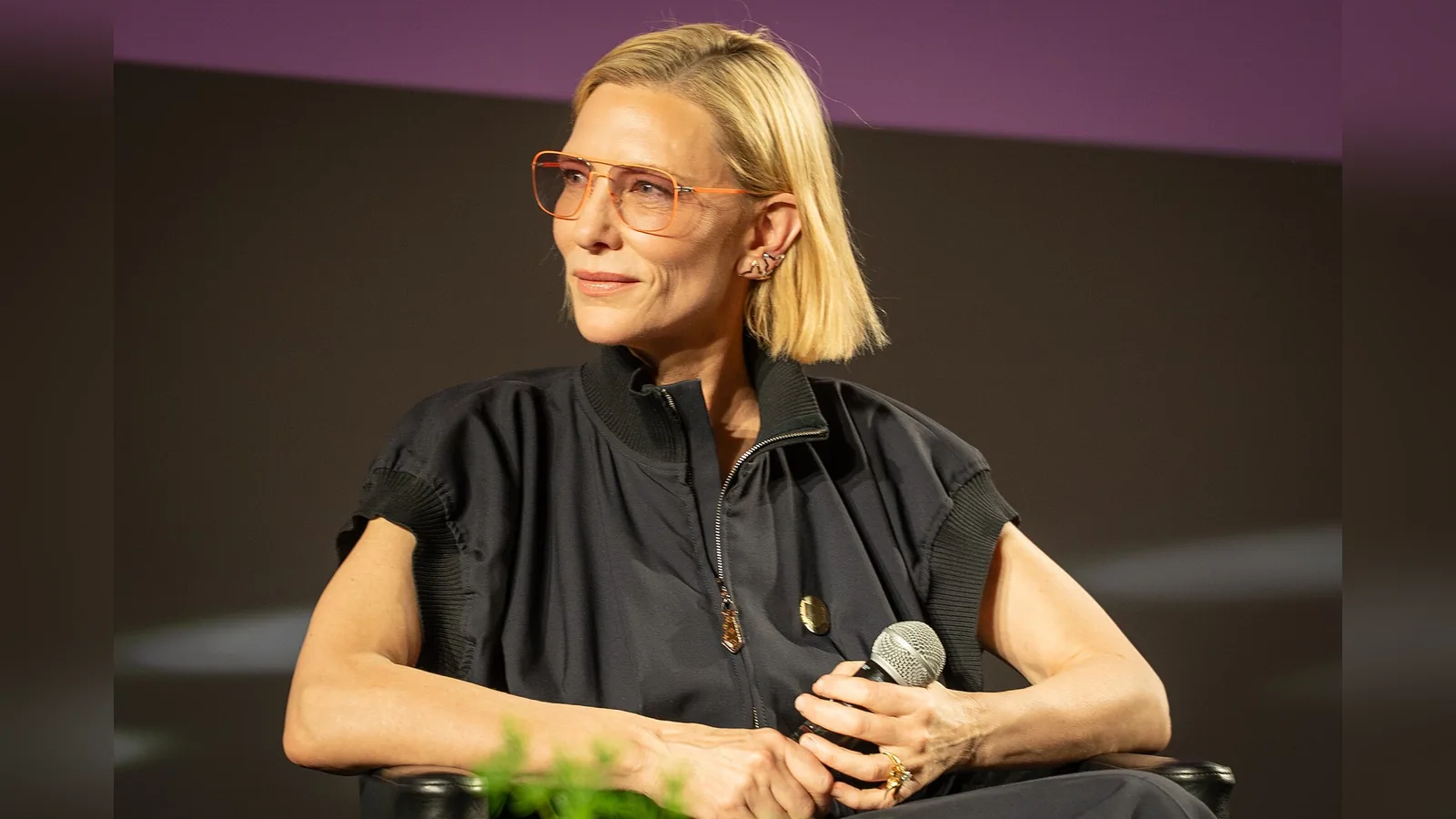
Cate Blanchett used her Cate Blanchett Praemium Imperiale acceptance to make a case for doubt. The Australian actor received the honour, often called the “Nobel Prize of the arts”, at a black-tie ceremony in Tokyo, where she argued that questioning is what drives creative work, according to Turkiye Today.
What Blanchett said about doubt
At a news conference around the ceremony, Blanchett said that “in an uncertain world riddled with unthinking certainty”, doubt is “vital to the creative process”. She added that her own doubt is often mistaken for a lack of confidence, when for her it is the artistic starting point.
She also described acting as a profession that at its worst sinks into literalness but at its best can leave people speechless. She said she looks for meaning in what is left unsaid, per the same report.
About the prize
The Praemium Imperiale is presented by the Japan Art Association for lifetime achievement in painting, sculpture, architecture, music and theatre/film. Each laureate receives a testimonial letter and 15 million yen, a little under US$100,000. Princess Hitachi presented Blanchett’s medal at the Meiji Kinenkan in Tokyo’s Moto-Akasaka district, Turkiye Today reported.
The prize’s own laureate page lists her as the 37th laureate in Theatre/Film. It notes her roles in Elizabeth (1998), Carol (2015) and Tár (2022), her co-leadership of Sydney Theatre Company with Andrew Upton from 2008 to 2012, and her work as a UNHCR Global Goodwill Ambassador. It also credits her humanitarian work, including the Displacement Film Fund.
She was named alongside four other 2026 laureates: American artist Jenny Holzer, British sculptor Andy Goldsworthy, American architect Daniel Libeskind and Swedish conductor Herbert Blomstedt, according to Turkiye Today.
A wider message about the arts
Hillary Clinton, the prize’s international adviser for the United States, also spoke at the news conference. She called the prize “a global declaration that artists and culture are essential pillars of our societies”, and said it matters more amid threats to democratic values and concerns about AI. Turkiye Today reported that she urged limiting AI’s risks while keeping human imagination and connection.
For Australian readers, the award adds to a long run of recognition for Blanchett. Our earlier coverage includes her backing for the Adelaide Park Lands tree campaign and her place among the Women’s Prize for Playwriting judges. You can find everything we publish on her under the Cate Blanchett tag.
What happens next
Blanchett was scheduled to appear at the 39th Tokyo International Film Festival, which ran through 4 November. The report said she would join filmmakers Mohammad Rasoulof and Shahrbanoo Sadat for a Q&A after the Japanese premieres of five short films from the Displacement Film Fund. She was also to discuss Alpha Gang, an alien comedy she stars in, with directors David and Nathan Zellner.
More film news is on our Movies page.
Frequently asked questions
What is the Praemium Imperiale?
It is an international arts prize given each year by the Japan Art Association in five fields: painting, sculpture, architecture, music and theatre/film. It is often called the Nobel Prize of the arts.
How much does the Praemium Imperiale pay?
Each laureate receives 15 million yen, a little under US$100,000, plus a testimonial letter, according to Turkiye Today.
Which category did Cate Blanchett win?
Theatre/Film. The Praemium Imperiale site lists her as the 37th laureate in that category.