

Quick summary
- Google has refused a UK request to remove the Russell Brand prison video, in which the jailed comedian (Wikipedia) says he is not guilty.
- His wife, Laura, posted it on their channel, where The Guardian says it has almost 850,000 views.
- Labour MP Jess Phillips says a second online safety act is “very likely”, though the BBC understands no new legislation is planned.
- The Ministry of Justice is investigating whether Brand broke prison rules.
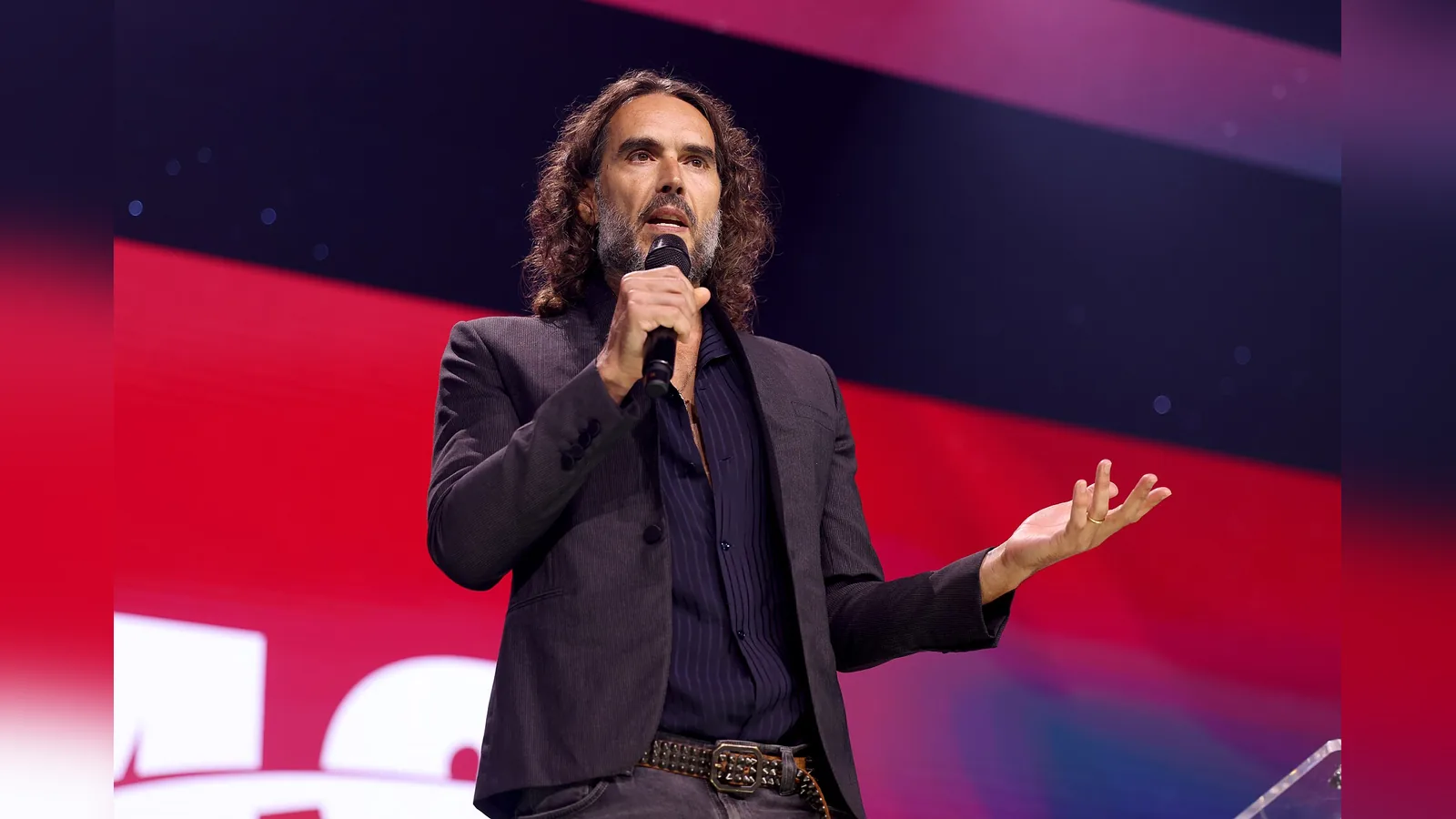
Google has refused to remove the Russell Brand prison video, in which the comedian, now serving 10 and a half years, says he is innocent. Ministers say the clip distresses survivors, the BBC and The Guardian reported on 19 November.
What the video says and why it caused alarm
On Sunday, Laura Brand shared a video on the couple’s Sunday Service channel and read out a message from her husband. In it he said: “I am not guilty of the offences I have been jailed for,” according to the BBC. He said he was held at HMP Littlehey, which 1News describes as a prison for men convicted of sex crimes.
Brand was found guilty this month of one count of rape and three counts of sexual assault. Yahoo, citing earlier reporting, says he was sentenced on 9 November to 10 years and six months. The Guardian says the channel has 6.6 million subscribers.
Prisoners in the UK may protest their innocence, but 1News notes they are banned from making statements that cause distress to victims. The Prime Minister’s office said prisoners cannot get around the rules by having someone else publish their comments. The Ministry of Justice has launched an inquiry. If rules were broken, 1News reports, the possible sanctions include an extension of the sentence or a loss of privileges such as phone, TV or gym time.
Google says no, for now
The Prison Service asked for removal because the video was offensive to Brand’s victims, the BBC reports. Whitehall sources told the broadcaster that Google declined, saying its rules had not been broken. A Ministry of Justice spokesperson said removal “ultimately depends on the platform’s own terms” but that YouTube should take the content down.
Google told the BBC it was “aware of the new content and our teams are investigating”. It added that it suspended the channel from the YouTube Partner Program in September 2023, so it has not been able to earn money from the site since then.
Politicians split on what to do
Prime Minister Andy Burnham, speaking after a Coalition of the Willing meeting in Berlin, said it was time to focus on victims rather than “hearing from a convicted criminal”. Asked whether he would change the law, he said he would not “leap to that” and called first on the companies to act responsibly.
Housing minister Matthew Pennycook called the video “abhorrent”. Minister Josh MacAlister hoped Google would follow Meta, which The Guardian says disabled Brand’s accounts.
Conservative leader Kemi Badenoch took a different line. She said YouTube is a private platform and demanding removal “without looking at exactly whether a law has been broken is not where I would start from”. Connie Shaw of the Free Speech Union backed that view on Politics Live.
Phillips, a former safeguarding minister, said the government “doesn’t have the power” to force the video down. She called Ofcom’s women’s safety codes voluntary and said a second online safety act was “very likely”.
What happens next
The Ministry of Justice inquiry continues, and ministers say they remain in “close dialogue” with Google. The BBC understands there are no new plans to introduce legislation because of the Brand case.
Elsewhere, the Daily Mail has reported, as relayed by Yahoo, that Katy Perry, who was married to Brand from 2010, is weighing a book or series about that period. That is an unconfirmed report from an unnamed source, and Perry has not commented publicly.
Earlier coverage: Google’s refusal, the UK inquiry and all Russell Brand stories in Celebrities.
Frequently asked questions
Has Google removed the Russell Brand prison video?
No. Google rejected the request, saying its rules had not been broken, though it told the BBC its teams are investigating the content.
Why is the video a problem under prison rules?
UK prisoners are banned from making statements that cause distress to victims, and the Ministry of Justice says they cannot get around this by having someone else publish their words.
Could Brand be punished for the message?
If investigators find rules were broken, 1News reports possible sanctions include a longer sentence or lost privileges such as phone and TV access.
Will the UK change the law?
Phillips thinks a second online safety act is likely, but the BBC understands the government has no new plans for legislation.



One Response