Quick summary
- Google has refused a UK government request to remove a YouTube video in which jailed comedian Russell Brand claims he is innocent, Whitehall sources told the BBC on 18 November.
- The Prison Service of England and Wales made the request, arguing the video was offensive to his victims and had reached a large audience.
- Google says it is investigating, and that the channel has earned nothing from YouTube since September 2023.
- A Ministry of Justice investigation into whether Brand broke prison rules is under way.
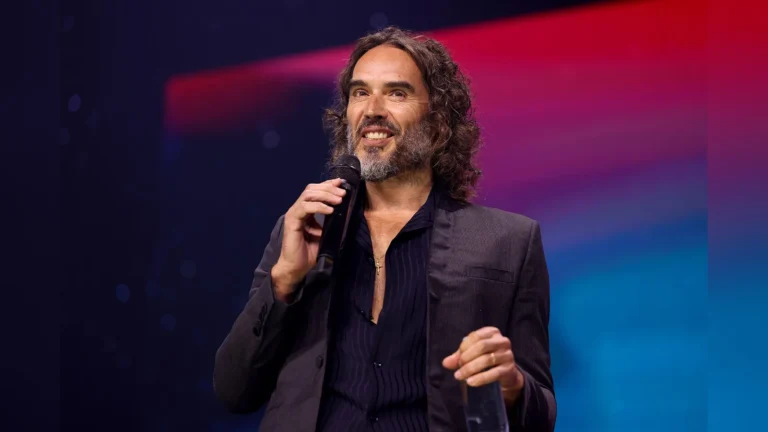
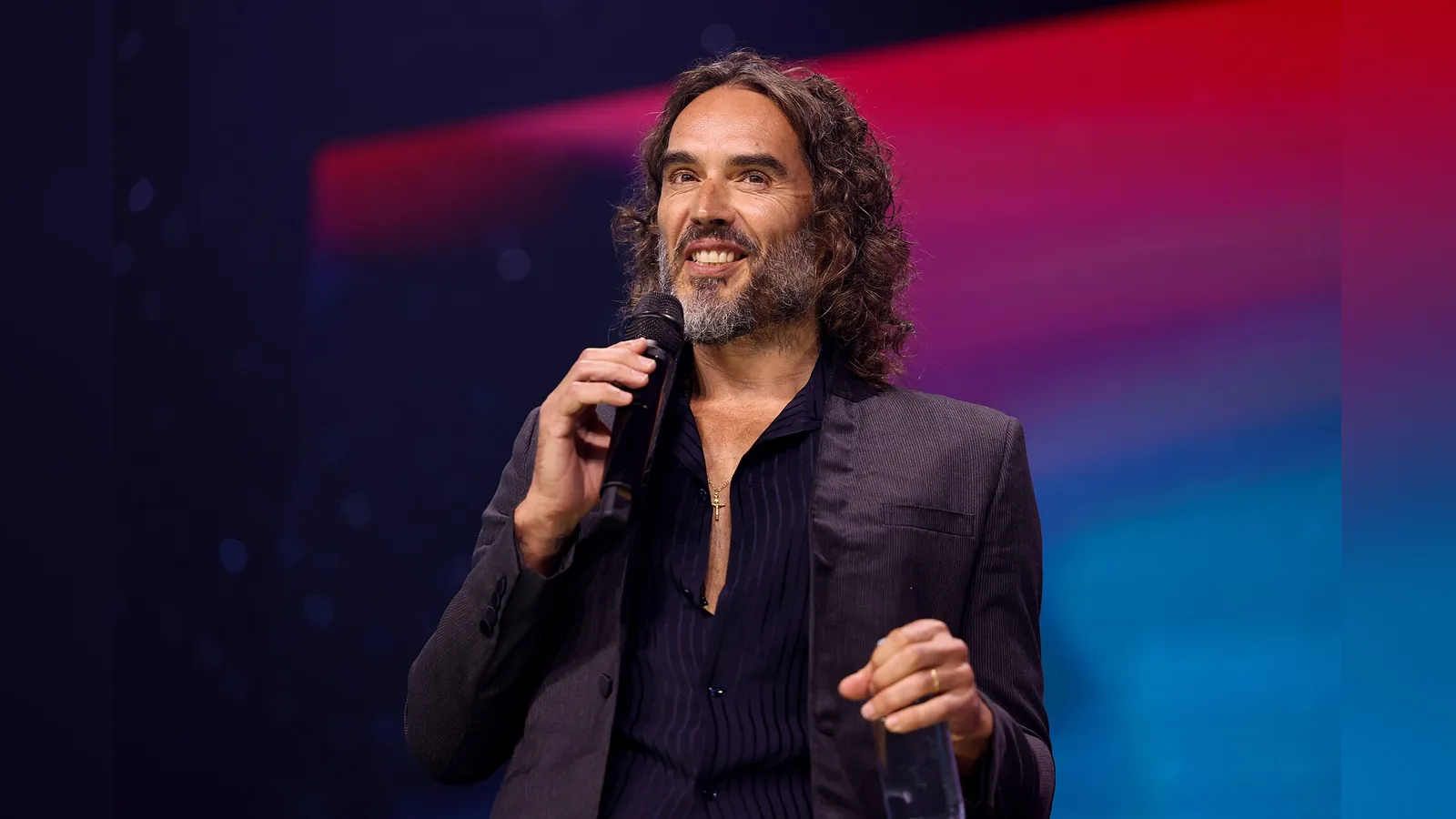
Google has declined to take down the YouTube video in which Russell Brand, serving 10-and-a-half years for rape and sexual assault, says he is not guilty. The BBC reports that Whitehall sources say the company told officials the clip had not broken its rules. Our earlier coverage of the BBC pulling its own airing of the clip set out how the row began.
What Google has said
According to the BBC, the Prison Service formally asked for the video to be removed. A Ministry of Justice spokesperson said it was “only right” to ask for content that was distressing for victims to come down.
Google gave the BBC a more guarded public statement. It said it was “aware of the new content” and that its teams were investigating. It also pointed out that it suspended the channel from the YouTube Partner Program in September 2023, so the channel has not been able to earn money there since.
The ministry accepts the decision rests with the platform. It said removal “ultimately depends on the platform’s own terms”, but that it strongly believes YouTube should act.
What the video contained
Brand’s wife, Laura Brand, posted the video on Sunday to the couple’s YouTube channel. In it she read out a handwritten message from him. He said he was “not guilty of the offences I have been jailed for”, according to the BBC and The Guardian. The message also asked supporters to pray for and forgive one another.
The Guardian notes that prisoners are allowed to protest their innocence, so no criminal offence was committed by publishing it. The issue is the prison rules. Prisoners cannot make statements that distress victims, and contact with the media is tightly restricted. The Guardian reports that a prisoner is understood to break those rules by giving a family member comments they know will be published.
Conflicting accounts of the request
Early reports said a justice minister had met Google to demand that Brand’s whole account be deleted. That version appeared in Sky News reporting cited by The Guardian and in Mediaweek.
The BBC later said the Ministry of Justice clarified that the request focused on the video, not the account. It is now understood no minister met Google. The request went through an established channel the Prison Service uses with technology companies.
Meta disabled Brand’s Instagram, Facebook and WhatsApp accounts last week, the BBC reports.
Politicians and regulators respond
Housing minister Matthew Pennycook called the video “abhorrent” on BBC Breakfast and said the government remained in “close dialogue” with Google. Justice Secretary Alex Norris said the case was being “urgently investigated” and that he expects action if rules were broken.
Former safeguarding minister Jess Phillips told Radio 4’s Today programme that the government “doesn’t have the power to enforce” a takedown. She said it depends on YouTube doing the right thing, and called it “an entirely new era” because prisoners have not previously had such large online followings. She suggested a second online safety act was “very likely” to be considered.
An Ofcom spokesperson said the current guidance pushes platforms to go beyond their legal duties, but that parliament chose to make it voluntary. Making it mandatory would be a matter for government and parliament.
Education Secretary Lucy Powell separately criticised broadcasters for playing the clip, saying it should not have been “amplified”. The BBC said Today played it “in error, due to miscommunication within the team” and removed it from BBC Sounds. ITN said its newsrooms chose not to show it.
Mia Latter, who has made allegations against Brand that he denies and who was not a complainant at his trial, told the BBC she found the message upsetting. Writing in Grazia, Sunday Times journalist Rosamund Urwin described Brand as a convicted rapist after the trial at Southwark Crown Court.
What happens next
The Ministry of Justice inquiry will decide whether Brand broke the rules. If so, the BBC says consequences could include a temporary phone ban or live monitoring of his calls. The Guardian adds that sanctions could range up to an extension of his sentence.
Google’s own review of the video is still open. Further coverage is on our Russell Brand page.
Frequently asked questions
Did Google remove Russell Brand’s YouTube video?
No. Whitehall sources told the BBC that Google declined the request, saying its rules had not been broken. Google said its teams were still investigating.
Can Russell Brand earn money from YouTube?
No. Google says it suspended his channel from the YouTube Partner Program in September 2023, and it has not been able to earn from YouTube since.
Did Russell Brand break prison rules?
That is not yet decided. The Ministry of Justice is investigating, and the Justice Secretary said he expects action if the rules were broken.
Sources
- BBC: Google declines UK request for Russell Brand YouTube video to be removed
- BBC: Deputy Labour leader criticises media for amplifying prison message
- The Guardian: UK ministers reportedly ask Google to block Russell Brand’s YouTube account
- Mediaweek: UK government calls for Russell Brand’s YouTube account to be deleted
- Grazia Daily UK: How I investigated Russell Brand