

Quick summary
- Druski has described a childhood that was financially comfortable but difficult at home, in an interview that has resurfaced online.
- He says he used jokes to lift the mood in his family, and that this became the root of his comedy.
- He told the Diary of a CEO podcast that he avoids “punching down” in his material.
- He also credits Drake’s 2020 “Laugh Now Cry Later” video with changing how brands treated him.
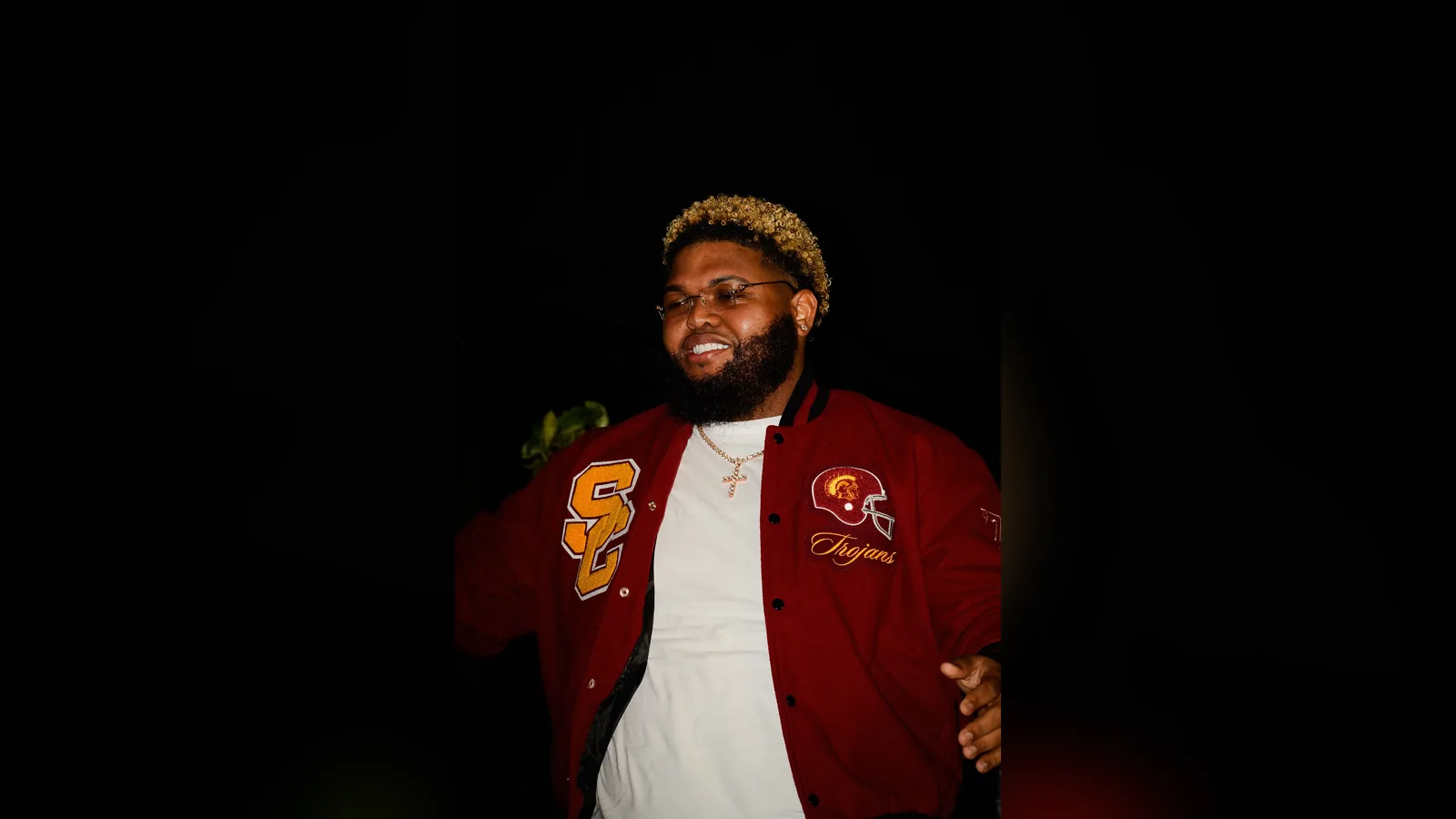
The comedian Druski says his “broken home” childhood is where his comedy began. In an interview with Steven Bartlett’s Diary of a CEO podcast, which has resurfaced this week, he said humour was how he tried to keep the peace, according to a report by TNX Africa.
A comfortable home that was not an easy one
Druski said money was never the problem. Per TNX Africa’s account of the interview, his father worked as a United Airlines pilot and his mother held a job with the US Centers for Disease Control and Prevention. Both were well paid.
Life behind closed doors was a different matter. He described strict discipline and physical abuse, and summed up the contrast in one line: his family was “a broken home” but “not a broke home”.
Druski did not frame the story as a grievance. He said he was the child who always tried to make the family smile, whatever else was happening. Those are his own recollections of events, and the report relies on his account alone.
How a coping habit became a comedy style
The comedian said the habit of telling jokes to ease tension stayed with him and eventually defined his work. He told the podcast his comedy comes from “that comforting type of space”.
He also said it made him alert to other people’s moods. In his words, he can read a room and sense danger, happiness or sadness in almost any situation.
He added that he does not like to “punch down”. Instead he looks for the funny side of a bad situation in a way that works for both him and the other person.
The Drake video that changed his standing with brands
The interview was not only about childhood. Druski said the turning point in his career was being asked to appear in Drake’s 2020 music video for “Laugh Now Cry Later”. Before it, he said, brands mostly sent him free merchandise. Afterwards they took him seriously.
He named Lil Durk, Marshawn Lynch and Kevin Durant among the established names he appeared alongside. He said that appearing beside Lil Durk and Marshawn Lynch gave him wider visibility, and that brands began to see him “as an actual star”.
That shift is visible in his current projects. He now has a Netflix deal, and readers can follow the latest on the series in our post on Druski’s Netflix series Collect & Praise.
What happens next
The interview itself is a resurfaced clip, so there is no new announcement attached to it. What to watch is how Druski’s comedy continues to draw on the same instinct, and how his Netflix work is received when it arrives. For more on comedians and screen projects, see our Celebrities and TV & Dramas pages.
Frequently asked questions
What did Druski say about his childhood?
He said his family was financially comfortable but that home life involved harsh discipline and abuse. He described it as a broken home rather than a broke one.
How did his childhood shape his comedy?
He told the Diary of a CEO podcast that he made jokes to make his family smile, and that his comedy still comes from a comforting place. He says he avoids punching down.
What did the Drake video do for his career?
Druski said that appearing in Drake’s 2020 “Laugh Now Cry Later” video changed how brands saw him. He said they stopped sending free merchandise and started treating him as a star.



One Response