

Quick summary
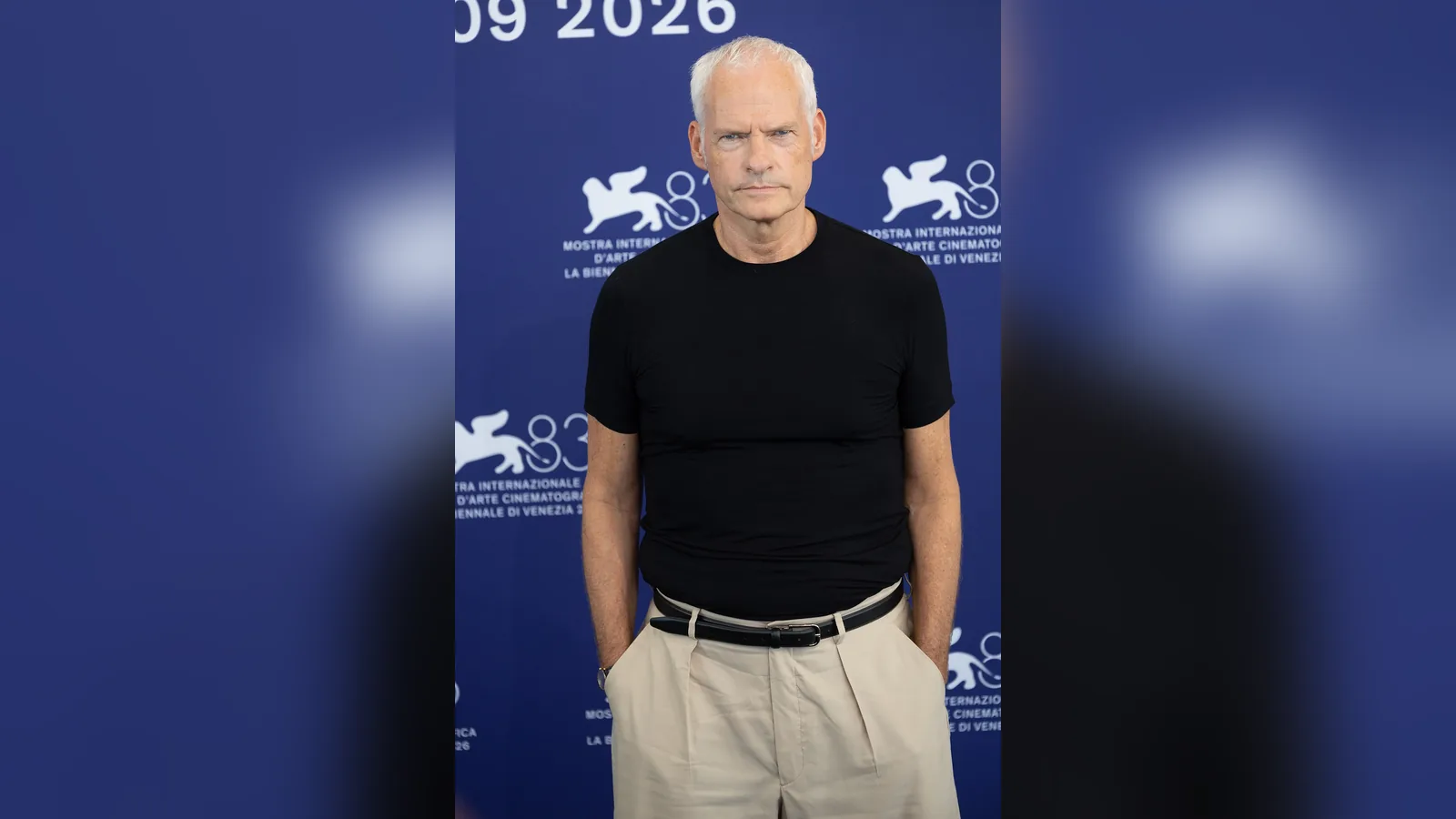
- A commentary published by WBUR on 20 November 2026 calls Martin McDonagh a master of both theatre and film.
- Boston audiences can currently see his first play, The Beauty Queen of Leenane, and his new film Wild Horse Nine.
- The writer links McDonagh’s preference for film to a recent New York Times interview, in which he said stage work disappears once a run ends.
- The piece is opinion, not a news report, and its praise is the author’s own view.
Boston theatregoers have an unusual chance to compare Martin McDonagh’s two crafts side by side. According to a WBUR commentary, a new local production of his debut play The Beauty Queen of Leenane is running while his latest film, Wild Horse Nine, is in cinemas with what the writer calls a remarkable performance from John Malkovich.
Why McDonagh prefers film
The commentary opens with a line from a recent New York Times interview. McDonagh said he cannot show anyone the 1996 staging of The Beauty Queen of Leenane, and that putting all your energy into a piece of theatre means it is gone. Films, he said, stay put, and he can see them and know others will too. That, in his words, is probably why he has stuck with cinema lately and feels happier artistically.
The WBUR author, who says they have attended the New York premieres of all his plays bar A Very Very Very Dark Matter and seen every film, argues that the two forms show him at his best. They describe him as the finest writer in the English-speaking world, a judgement that is personal rather than a consensus.
The influences the writer sees
The piece spends time on what makes his writing distinctive. McDonagh, described as Anglo-Irish, likes to talk about punk rock, and the author says that persona leads some people to dismiss him as a bad boy. Look closer, the commentary says, and you find echoes of Synge, Joyce, Beckett, Pinter, Albee, Mamet, Shepard, Scorsese and Tarantino, though not Tarantino’s amorality. The author adds that McDonagh is funnier.
Morality, the commentary argues, is present in the work even when it is not preached. It points to the Catholic Church being skewered in Three Billboards Outside Ebbing, Missouri through Frances McDormand‘s scene with a priest. It also says Wild Horse Nine shows his revulsion at the CIA’s habit of replacing elected leaders with dictators, and that the film alleges CIA involvement in the assassination of John F. Kennedy, without the earnestness of an Oliver Stone picture.
Criticism and his actors
The author acknowledges the criticism. Some object to racist language in A Behanding in Spokane, which starred Christopher Walken, and in Three Billboards. The commentary notes McDonagh has suggested that sugarcoating bigots’ speech would be worse. Others call his work misogynistic, but the writer says the men are the ones behaving badly, while women such as the hotelier in In Bruges and Siobhán in The Banshees of Inisherin often carry its moral centre.
On performers, the writer says Kerry Condon should have won an Oscar for Siobhán, and asks whether Woody Harrelson, Sam Rockwell, McDormand, Colin Farrell and now Malkovich have ever been better than in his work. Cinematographer Ben Davis, who shot McDonagh’s last four films, is credited with giving them a panoramic sense of place while leaving the actors room.
The Boston stage production
The commentary says Theater UnCorked’s Beauty Queen does not rank with the two Druid productions or Jeff Zinn’s Wellfleet staging with Julie Harris. It still calls it a thoroughly enjoyable production under director Sheriden Thomas, and singles out Parker Jennings for capturing the tragedy of Maureen.
What happens next
Wild Horse Nine is described as Oscar-buzzing, so awards talk around McDonagh and his cast is likely to continue. A separate review from The Mancunion, headlined as calling the film darkly hilarious and surprisingly pensive, was published the same day, though its full text was not available for this report.
Frequently asked questions
What is Wild Horse Nine?
It is Martin McDonagh’s latest film, set on Rapa Nui, with John Malkovich among the cast. WBUR describes it as having a CIA storyline.
Why does McDonagh prefer film to theatre?
In a New York Times interview quoted by WBUR, he said plays vanish after their run, while films remain available to be watched.
Is the WBUR piece a review?
No. It is a commentary, so its verdicts reflect the author’s opinion.
Sources
More coverage is on our Martin McDonagh page and in Movies.


One Response