Quick summary
- A review published on AOL UK judges Fjord, starring Renate Reinsve and Sebastian Stan, to be “anticlimactic” and “underpowered”.
- The drama is directed by Cristian Mungiu, who won the Palme d’Or at Cannes in 2007.
- Reinsve plays Lisbet, a Norwegian woman whose family comes under child-welfare scrutiny in her home village.
- The film opened in the US on 9 October and in the UK on 13 November. Australian cinemas get it on 28 January.
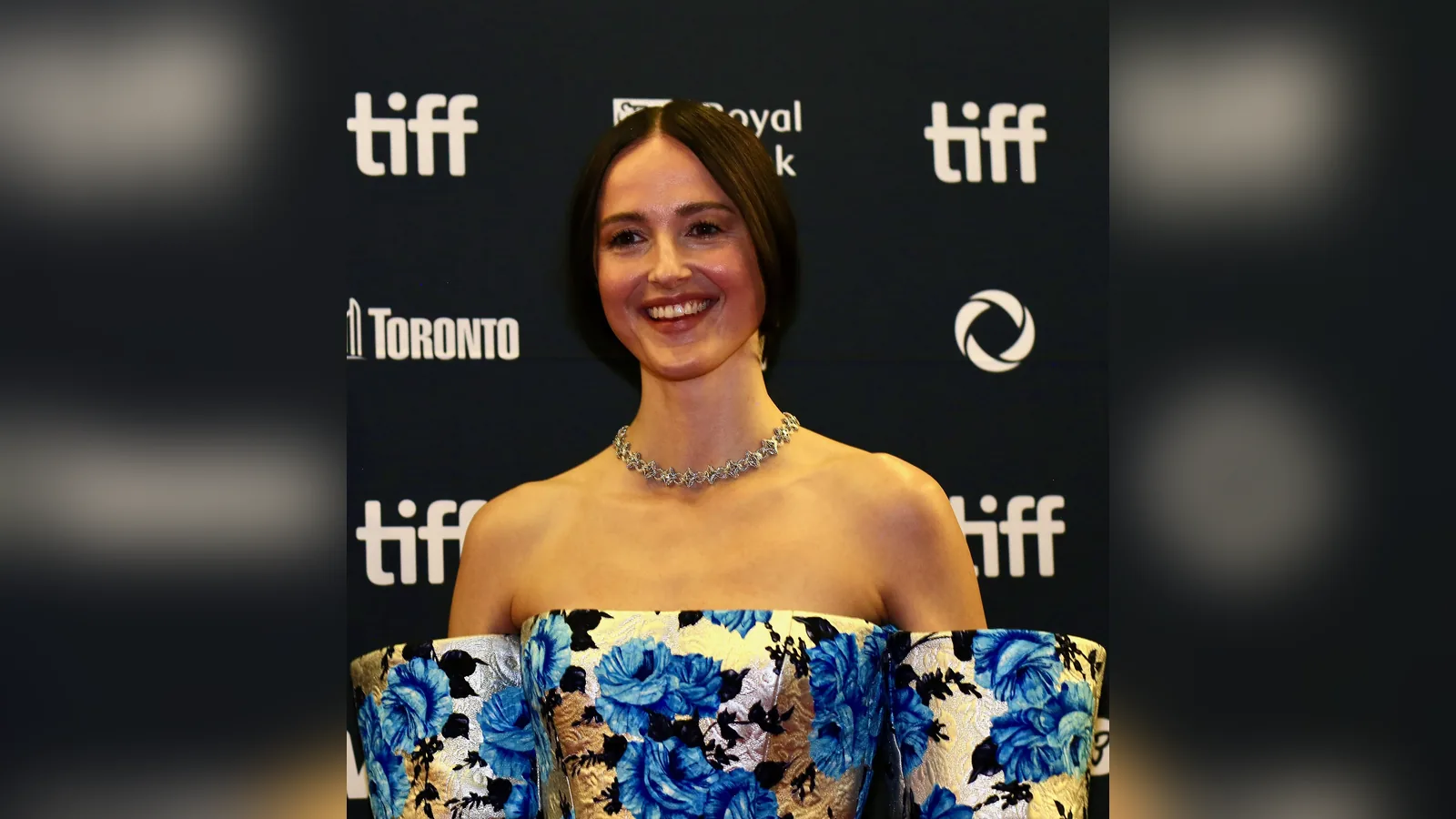
Renate Reinsve‘s new film Fjord has drawn a lukewarm verdict from a UK critic, who found the Cannes drama well made in places but short of the force of its director’s earlier work. The review, carried by AOL UK as the film reached British cinemas, describes a story about faith, language and the state stepping into family life.
What the Fjord review says
Director Cristian Mungiu won the Palme d’Or in 2007 for 4 Months, 3 Weeks and 2 Days. The reviewer calls Fjord an “anticlimactic, underpowered movie” and says it is unmistakably his, with enigmatic long shots, a wariness of close-ups and one crowded dinner-table scene.
The critic’s main complaint is that the pain in the story is not matched by the complexity audiences expect from him. By the review’s account, the film neither delivers a compelling truth about its relationships nor teasingly holds one back.
The reviewer also places the film in a wider Cannes pattern. Directors such as Kantemir Balagov and Ryusuke Hamaguchi also brought films made outside their home country and language, with major foreign stars. The critic suggests the trend may cost these filmmakers some focus.
The story and Reinsve’s role
According to the review, Sebastian Stan plays Mihai, a Romanian software engineer. Reinsve plays his Norwegian wife, Lisbet. The couple are strict, conservative Christians who move to the remote village where she was born, drawn by his IT job and a strong church community. Their neighbours, the school’s headteacher and his wife, welcome them warmly.
The film opens just after Mihai has punished their teenage daughter. School staff then notice marks and bruises on the children. The review says the children are questioned, that language barriers may complicate what they say, and that Mihai gives police a damaging statement without a lawyer. The children are quickly placed in provisional care pending a hearing and criminal trial.
The critic credits Mungiu with an ingenious balancing act. The audience is first pushed to side with the children against a cold patriarch, then almost to side with him against officials the review calls smug. Mihai concedes he occasionally smacks or slaps the children, which the film presents as normal in Romania, but the bruises seem to suggest something worse.
The review says the matter is settled neither in court nor on screen. It describes a “strangely inert” finale at a ferry terminal, which hints at a relationship between two teenage girls, played by Vanessa Ceban and Henrikke Lund-Olsen, that the film has not fully explained. The review does not single out Reinsve’s performance.
What happens next
Release dates matter here. According to the review, Fjord arrived in the US on 9 October and in the UK on 13 November. Australian audiences can see it from 28 January, so local reviews are still to come.
For more on the film’s reception, see our earlier post, Renate Reinsve on Fjord’s Divided Response: ‘Surprising’, and everything we publish on Renate Reinsve. Our Movies section follows the release.
Frequently asked questions
Who stars in Fjord?
Renate Reinsve plays Lisbet and Sebastian Stan plays Mihai. Vanessa Ceban and Henrikke Lund-Olsen play the two teenage girls at the centre of the later story, according to the AOL UK review.
Who directed Fjord?
Romanian filmmaker Cristian Mungiu, who won the Palme d’Or at Cannes in 2007 for 4 Months, 3 Weeks and 2 Days.
When is Fjord released in Australia?
The review lists 28 January for Australia. It opened on 9 October in the US and 13 November in the UK.
Is Fjord well reviewed?
This one UK review is negative, calling it a disappointment. It is a single critic’s view, so judge the film for yourself.