Quick summary
- The head of Channel 4 News, Esme Wren, emailed staff on Saturday to say the division no longer uses non-disclosure agreements, according to Deadline.
- The email followed a discussion of the issue on BBC Radio 4’s Today programme.
- Debate over NDAs returned after Russell Brand was sentenced to 10 years in prison, Deadline reports, and allegations about David Walliams were published a day later. Walliams strongly denies them.
- A UK parliamentary committee has announced an inquiry into NDA use in the industry, with evidence sessions due to start in about two weeks.
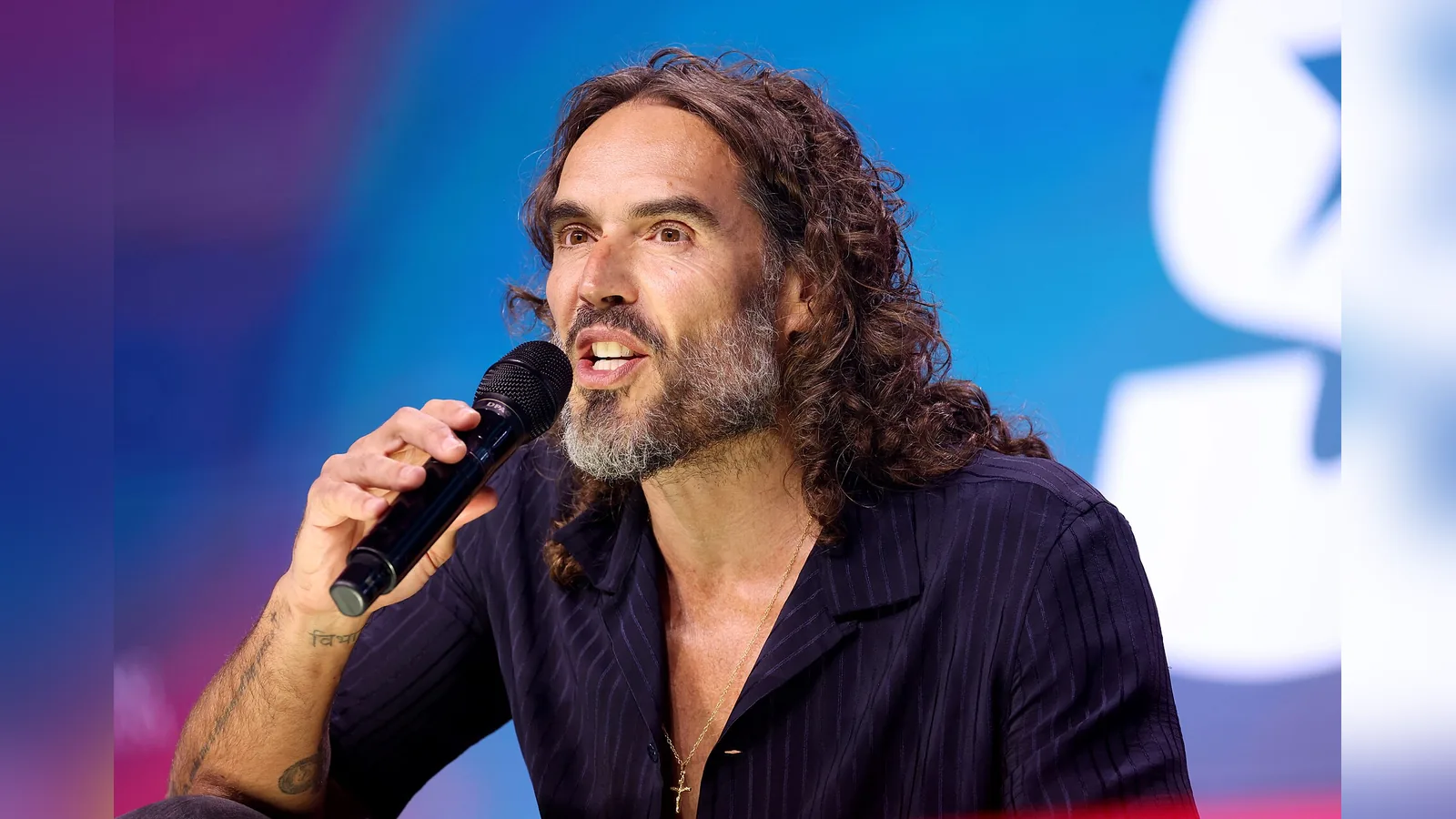
The fallout from Russell Brand’s sentencing has reached the newsroom of one of the broadcasters that once employed him. According to Deadline, the editor of Channel 4 News, Esme Wren, told her staff on Saturday that the programme no longer engages in the use of non-disclosure agreements, as the issue returns to the centre of UK entertainment.
What the Channel 4 News email said
Wren wrote to staff after Justin Webb raised the subject on BBC Radio 4’s Today programme. Webb said Channel 4 News maintains it uses NDAs only for commercial matters, but that others suggest otherwise, and that the truth is hard to establish when the subject itself is difficult to discuss.
Deadline, which obtained passages of the email, reports that Wren said ITN, the company that makes the programme, stopped using confidentiality clauses that prevent people speaking freely about their time there more than three years ago. In the small number of earlier cases, she said, the clauses have been lifted for both former and current employees. She added that ITN has listened and apologised for past mistakes, and she invited questions at the next morning news meeting.
An ITN spokeswoman gave the same account to Deadline. She said ITN does not use NDAs to stop people talking openly about their experiences at the company, including at Channel 4 News, and that it stopped using confidentiality clauses in settlement agreements in 2022.
Why ITN has been here before
This is not the first time the company has faced questions. Deadline notes that ITN apologised unreservedly after an independent review in 2024 found that, in a small number of historic cases, confidentiality clauses in settlement agreements had been applied inconsistently or lacked clarity.
That review followed allegations that NDAs had been used to cover up gender pay discrimination, harassment and bullying. A few weeks later, Deadline obtained a leaked recording of an ITN town hall in which lead Channel 4 News presenter Krishnan Guru-Murthy criticised how ITN’s HR management had handled the matter at the time. High-profile cases were later raised in parliament.
How Brand and Walliams brought NDAs back into the news
According to Deadline, the conversation returned after Brand was sentenced to 10 years in prison for rape and sexual assault. The following day, The Guardian and ITV News published allegations about Walliams, which he vehemently denies. Deadline says both men were reported to have used NDAs. No finding has been made against Walliams.
British ministers are now looking at ways to change the law quickly so that NDAs cannot be used to cover up harassment or discrimination. Deadline says those protections are being introduced through the new Employment Rights Act.
For background on the wider reaction, see our reports on the open letter signed by 500 creatives after the sentence and on how Brand could still earn money from prison.
The debate beyond the courtroom
Not every response has been about workplaces. A column in The Observer, titled “Conversations with friends after Russell Brand”, describes a more uncomfortable mood among some feminists once the initial relief at the verdict faded. The writer was troubled by online celebration of the idea that Brand might be assaulted in prison, and questioned whether a prison sentence alone answers the problem of gendered violence.
One friend quoted in the column, a feminist campaigner, argued that a single conviction does not stop society producing offenders and pointed to a figure of roughly 3% of rape cases leading to a charge. That statistic is the friend’s own, as quoted by the columnist, and The Observer piece does not give a source for it. The column is opinion, not reporting, but it shows how the case is shaping conversations well beyond the industry.
What happens next
Parliament’s Digital, Culture, Media and Sport Committee has announced an inquiry into the use of NDAs in the entertainment industry. Deadline says evidence sessions are due to begin in two weeks, with witnesses and timings to be announced shortly, and that executives from ITN or Channel 4 could well be called.
Channel 4 is already under pressure. Its chief executive, Priya Dogra, told the committee last week that the network uses confidentiality clauses in a limited way, with “pretty large caveats”, Deadline reports. One MP also cited Deadline’s earlier report that Channel 4 had paid nearly £5 million (about US$6.5 million) to former employees who signed settlement deals that barred them from discussing company matters.
Readers who want the full run of coverage can find it on our Russell Brand page and in our Celebrities section.
Frequently asked questions
Does Channel 4 News use NDAs?
Channel 4 News head Esme Wren told staff it does not. ITN, which produces the programme, says it stopped using confidentiality clauses in settlement agreements in 2022 and lifted them from the small number of people previously covered.
Why are NDAs in the news now?
Deadline links the renewed debate to Russell Brand’s 10-year prison sentence and to allegations about David Walliams, which he denies. Both were reported to have used NDAs, and ministers want to tighten the law.
When will the parliamentary inquiry begin?
The Digital, Culture, Media and Sport Committee has said evidence sessions will start in about two weeks. Witnesses and dates have not yet been announced.